
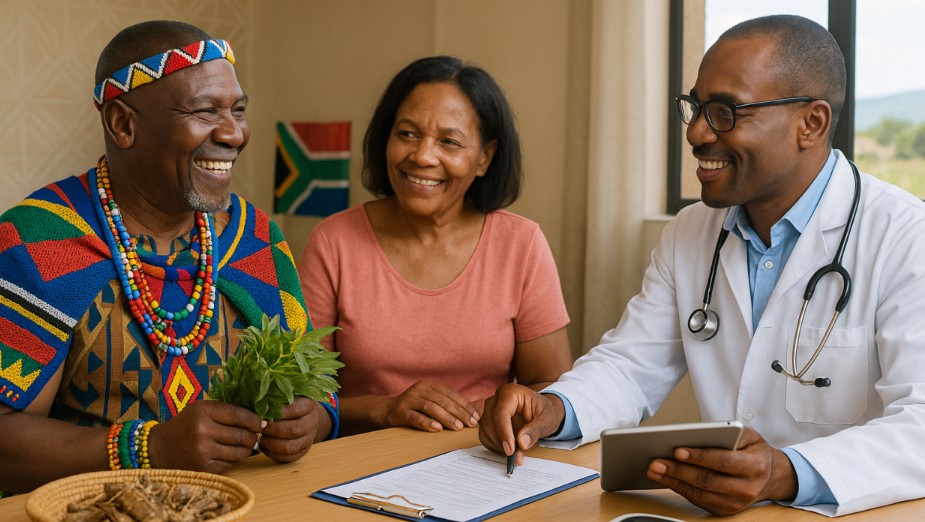
When we discuss “health,” the modern mind often drifts immediately to clinical settings—blood pressure monitors, gym memberships, and nutritional labels. However, a holistic view of human wellness reveals that health is woven from more than just biological threads. It is deeply intertwined with cultural identity, self-expression, and a sense of belonging. For the global African diaspora and the inhabitants of the continent, clothing is not merely a covering; it is a therapeutic tool. From the vibrant patterns of Kenya clothing to the symbolic weight of Black history shirts, what we wear serves as a bridge between psychological fortitude and physical vitality.
The Psychology of Heritage and Healing
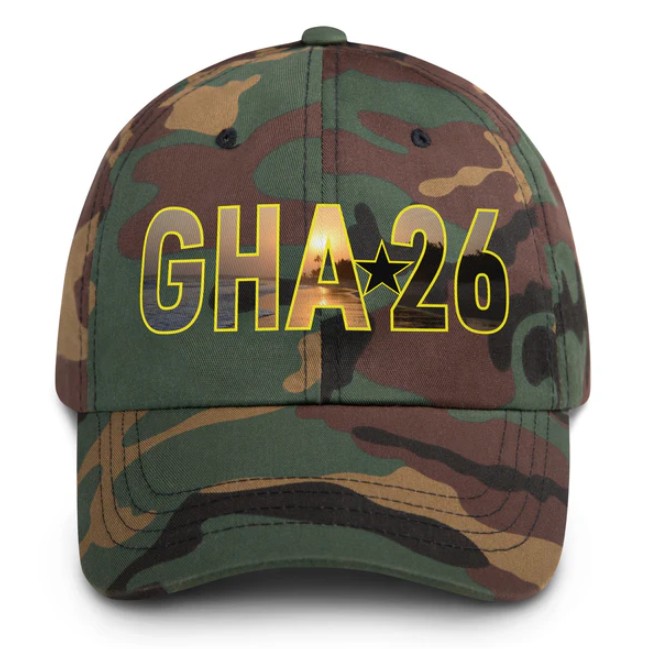
At the core of mental health lies the concept of “self-actualization.” For communities whose histories have often been marginalized, the act of reclaiming one’s narrative through fashion is an act of defiance and a boost to psychological well-being. Wearing an African shirt, such as a Dashiki or a Kitenge, does more than make a fashion statement; it reinforces a positive self-image.
Studies in “enclothed cognition” suggest that the clothes we wear influence our psychological processes. When an individual dons an African hat, like a Kofia or a Gele, they are often assuming a posture of pride and dignity. This “dignity-based health” reduces cortisol levels—the body’s primary stress hormone—by fostering a sense of security and community. In a world where systemic stress is a documented health risk for people of color, the comfort of heritage-wear acts as a cultural buffer.
Regional Threads: From Kenya to Dominica
The diversity of African and Caribbean attire reflects a diverse approach to environmental and social health.
- Kenya Clothing: In East Africa, traditional attire like the Maasai Shuka or modern Kenyan batik prints are designed for both the climate and the community. The breathable fabrics used in Kenya clothing promote skin health and thermal regulation, vital in tropical climates. Furthermore, the communal act of beadwork and weaving provides a social structure that combats loneliness and cognitive decline in aging populations.
- Dominica Clothing: Moving across the Atlantic, the “Wob Dwiyet”—the national dress of Dominica—represents a fusion of African heritage and colonial history. Dominica clothing is a testament to resilience. Celebrating heritage through the annual Independence Day dress-up isn’t just about aesthetics; it is a “social determinant of health.” It builds social capital, strengthens community bonds, and provides a joyful outlet that improves overall life satisfaction.
The Power of the Message: Black History Shirts
In the realm of modern health advocacy, the “statement piece” has become a literal lifesaver. Black history shirts serve as mobile education units. By celebrating figures like Dr. Charles Drew (the father of blood banking) or Henrietta Lacks, these garments promote health literacy within the community.
| Category | Health Impact | Cultural Connection |
| Identity | Reduces “identity stress” and promotes belonging. | African shirt / African hat |
| Education | Increases health literacy and historical pride. | Black history shirts |
| Environment | Breathable materials for tropical wellness. | Kenya clothing / Dominica clothing |
When a young person wears a shirt emblazoned with the achievements of Black pioneers in medicine, it does more than teach history; it creates a “possibility model.” This inspires future generations to pursue health sciences, addressing the critical need for representation in the medical field, which ultimately leads to better health outcomes for the entire community.
Physical Health and the “Craft” of Clothing
The production of traditional garments also contributes to physical health through the preservation of artisanal skills. The manual dexterity required to craft a traditional African hat or the intricate embroidery found on a premium African shirt keeps the mind sharp and the hands active.
Furthermore, the shift toward sustainable, organic fibers often found in authentic Kenya clothing supports environmental health. Unlike the synthetic “fast fashion” that contributes to environmental toxicity and skin irritation, traditional African textiles often utilize cotton, silk, and natural dyes. This reduces the toxic load on both the wearer and the planet.
“To be healthy is to know who you are. When we wear our history, we carry our ancestors’ resilience in our very fabric.”
The “Dressed” Path to Longevity
Health is often defined as the absence of disease, but true health is the presence of vitality. This vitality is fueled by the joy of expression. When we look at the vibrant colors of Dominica clothing or the bold geometries of West African prints, we are seeing a visual representation of “joie de vivre.”
The celebration of culture through fashion provides:
- Stress Reduction: Engaging in cultural festivals and wearing traditional attire triggers the release of oxytocin and dopamine.
- Community Cohesion: Standardizing “heritage days” in schools and workplaces fosters an inclusive environment that reduces social anxiety.
- Cultural Continuity: Passing down an African hat or a specific style of Kenya clothing creates a multi-generational link that provides seniors with a sense of purpose and youth with a sense of direction.
Conclusion
In conclusion, the journey toward a healthier society must include a detour through the wardrobe. By embracing an African shirt, honoring the past with Black history shirts, or celebrating the distinct styles of Dominica clothing and Kenya clothing, we are doing more than getting dressed—we are practicing a form of cultural medicine.
The weight of an African hat is light, but the pride it carries is a heavy shield against the stressors of the modern world. As we move forward into a future of personalized medicine, let us not forget the oldest “prescription” we have: the power of identity, the comfort of heritage, and the healing power of the cloth. Wellness is not just found in a pill or a treadmill; it is found in the patterns, the history, and the pride of the people.